Urgent care medical services provide a crucial bridge between primary care and emergency rooms, offering timely treatment for non-life-threatening conditions. These facilities play a vital role in managing the healthcare needs of a diverse population, effectively handling a wide range of illnesses and injuries that require prompt attention but don’t necessitate the resources of a hospital emergency department. Understanding the scope, accessibility, and services offered by urgent care centers is essential for both healthcare providers and patients.
This guide explores the multifaceted world of urgent care, examining its services, accessibility, technological advancements, and future trends. We’ll delve into the types of conditions treated, the diagnostic tools employed, and the evolving role of telehealth in expanding access to quality care. Furthermore, we will discuss the impact of medical research and technological innovation on improving patient outcomes and the overall efficiency of urgent care facilities.
Defining Urgent Care Medical Services
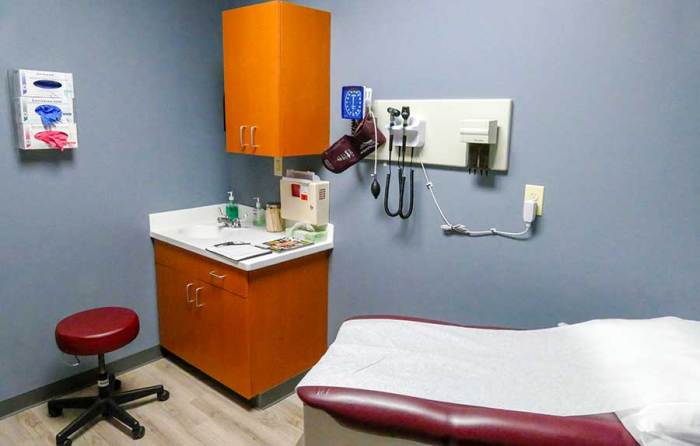
Urgent care facilities provide a vital bridge between primary care physicians and emergency rooms, offering timely medical attention for non-life-threatening conditions. They aim to provide convenient, accessible, and relatively affordable healthcare for a wide range of ailments, filling a critical gap in the healthcare system.Urgent care services address conditions requiring immediate medical attention but are not severe enough to warrant a visit to an emergency room.
This often involves a quicker turnaround time for treatment compared to scheduling an appointment with a primary care physician. The key differentiator lies in the urgency and severity of the medical need.
Scope of Urgent Care Medical Services
Urgent care centers handle a broad spectrum of illnesses and injuries, including but not limited to minor fractures, lacerations requiring stitches, sprains, strains, respiratory infections (like bronchitis or pneumonia), urinary tract infections, allergic reactions (excluding severe anaphylaxis), and minor burns. They also provide services such as vaccinations, physical examinations, and basic diagnostic testing, like X-rays and blood tests. In contrast, emergency rooms manage life-threatening conditions such as heart attacks, strokes, severe trauma, and major internal bleeding.
Primary care focuses on preventative care, ongoing health management, and less urgent health concerns, often involving scheduled appointments.
Common Conditions Treated in Urgent Care
A significant portion of urgent care visits involve treating common illnesses and injuries. Examples include upper respiratory infections (colds, flu), ear infections, sore throats, skin infections, minor burns and wounds, and allergic reactions (excluding severe cases). Musculoskeletal issues like sprains, strains, and minor fractures also represent a substantial portion of patient visits. Furthermore, many urgent care facilities provide diagnostic services like X-rays and rapid strep tests to aid in diagnosis and treatment.
Typical Patient Demographics
Urgent care facilities serve a diverse patient population. The demographic profile often includes individuals who lack access to timely primary care appointments, those with limited insurance coverage seeking a more affordable alternative to the emergency room, and people experiencing non-life-threatening medical emergencies during non-business hours of their primary care physician’s office. Families with children needing immediate attention for common childhood illnesses frequently utilize urgent care services.
Travelers who experience sudden illness or injury away from home also frequently seek treatment in urgent care facilities.
Patient Journey Through an Urgent Care Facility
A typical patient journey through an urgent care facility can be represented by a flowchart.
The flowchart would begin with the patient arriving at the facility. Next, the patient checks in at the reception desk, providing necessary information and insurance details. Then, a medical assistant takes vital signs and briefly assesses the patient’s condition. The patient is then seen by a physician or nurse practitioner for a detailed examination, diagnosis, and treatment plan.
Following the examination, any necessary treatments or procedures are performed. If additional tests (X-rays, lab work) are needed, they are scheduled and performed. After treatment and test results (if applicable), the patient receives a detailed explanation of the diagnosis, treatment plan, and any follow-up instructions. Finally, the patient checks out and receives any necessary prescriptions or referrals.
Medical Devices Used in Urgent Care
Urgent care centers rely on a range of medical devices to efficiently diagnose and treat patients presenting with a variety of non-life-threatening conditions. These devices are selected for their portability, ease of use, and ability to provide rapid assessments and interventions. The effective use of these tools is crucial for providing timely and appropriate care in a fast-paced environment.
Types of Medical Devices in Urgent Care
Urgent care facilities utilize a variety of medical devices, categorized broadly by their function. Diagnostic devices help identify the nature of a patient’s illness or injury, while therapeutic devices facilitate treatment. Monitoring devices continuously track vital signs, allowing medical professionals to observe a patient’s condition over time. Examples include electrocardiograms (ECGs) for heart rhythm analysis, digital X-ray machines for imaging, pulse oximeters for oxygen saturation monitoring, and blood glucose meters for diabetes management.
Therapeutic devices may include suture kits for wound closure, automated external defibrillators (AEDs) for cardiac arrest, and various types of splints for fracture immobilization.
Portable and Easily Accessible Medical Devices
The portability and accessibility of medical devices are paramount in urgent care settings. Many devices are designed for quick deployment and use in various locations within the facility, including examination rooms and waiting areas. Examples include handheld blood pressure monitors, portable ultrasound machines, and point-of-care testing devices for rapid blood analysis. These devices allow for immediate assessment and potentially faster treatment decisions, reducing patient wait times and improving overall efficiency.
The smaller size and battery operation of these devices allow for ease of movement and use in various settings within the facility, and even in transport situations if needed.
Vital Signs Monitoring Devices: Functionality and Limitations
Several devices monitor vital signs, each with its own strengths and weaknesses. Digital thermometers provide accurate temperature readings, but require appropriate cleaning and calibration. Automated blood pressure cuffs offer quick and relatively accurate readings, although inaccuracies can arise from improper cuff placement or patient movement. Pulse oximeters non-invasively measure oxygen saturation and heart rate, providing continuous monitoring, but are susceptible to interference from nail polish or poor perfusion.
Electrocardiograms (ECGs) provide detailed information about heart rhythm, but require proper electrode placement and interpretation by trained personnel. The limitations of each device must be considered when interpreting the data and making clinical decisions. For instance, a low oxygen saturation reading on a pulse oximeter might necessitate further investigation using other diagnostic tools.
Maintenance Requirements for Common Medical Devices
Regular maintenance is crucial to ensure the accuracy and reliability of medical devices. Neglecting maintenance can lead to inaccurate readings, malfunctions, and ultimately compromise patient care. The following table Artikels the maintenance requirements for several common devices:
| Device | Cleaning/Disinfection | Calibration/Testing | Other Maintenance |
|---|---|---|---|
| Blood Pressure Cuff | Wipe down with disinfectant after each use | Annual calibration check | Inspect for damage to cuff and tubing |
| Pulse Oximeter | Wipe down with disinfectant after each use | Regular functional checks (compare to known values) | Check battery life and replace as needed |
| Thermometer (Digital) | Disinfect probe after each use | Annual calibration check | Inspect for damage to probe |
| ECG Machine | Clean according to manufacturer’s instructions | Regular preventative maintenance by a qualified technician | Inspect leads and electrodes for damage |
Medical Research and Urgent Care
Medical research plays a vital role in enhancing the quality and effectiveness of urgent care services. Continuous advancements in medical knowledge and technology directly translate into improved patient outcomes, faster diagnosis, and more efficient treatment strategies within the fast-paced environment of urgent care facilities. This research-driven progress ensures that urgent care remains at the forefront of providing timely and effective medical attention for a wide range of non-life-threatening conditions.The integration of research findings into urgent care practices is a dynamic process.
New diagnostic tools, treatment protocols, and medication regimens are constantly being evaluated and refined, leading to better patient care. This continuous improvement cycle ensures that urgent care providers can leverage the latest medical advancements to deliver the highest standard of care.
Clinical Trials’ Contribution to Urgent Care Advancements
Clinical trials are the cornerstone of translating medical research into practical applications within urgent care. These rigorously designed studies evaluate the safety and efficacy of new treatments, diagnostic tools, and medical devices. For example, clinical trials have been instrumental in establishing the effectiveness of various rapid diagnostic tests used in urgent care settings, such as point-of-care tests for influenza or strep throat.
The data generated from these trials directly informs clinical practice guidelines and ensures that urgent care providers utilize evidence-based approaches to patient management. The results of these trials influence the adoption of new technologies and treatments, leading to improved patient outcomes and reduced healthcare costs.
Areas of Ongoing Medical Research Relevant to Urgent Care
Several key areas of medical research are actively contributing to improvements in urgent care. Research on point-of-care diagnostics is constantly evolving, aiming to develop faster, more accurate, and less expensive tests for various conditions commonly encountered in urgent care. Furthermore, research into new treatments for common urgent care issues, such as musculoskeletal injuries, respiratory infections, and minor wounds, is ongoing.
Studies focusing on improving pain management strategies and reducing wait times are also crucial. Finally, research is exploring the use of telehealth and remote patient monitoring technologies to enhance access to urgent care, particularly in underserved areas.
Innovative Medical Technologies in Urgent Care
Significant advancements in medical technology, fueled by research, have significantly impacted urgent care. For instance, the development of portable ultrasound machines has revolutionized point-of-care diagnostics, allowing for rapid assessment of various conditions without the need for a referral to a radiology department. Similarly, advancements in wound care, including new dressings and closure techniques, have led to faster healing times and reduced infection rates.
The use of electronic health records (EHRs) has streamlined administrative processes, improved communication between healthcare providers, and facilitated better patient care coordination. Finally, the integration of telemedicine platforms enables remote consultations and monitoring, expanding access to urgent care, especially in rural or remote areas.
The Intersection of Urgent Care, Medical Devices, Medical Research, and Medical Services
The efficient and effective delivery of urgent care hinges on the intricate interplay between medical devices, medical research, and the broader medical services landscape. Advancements in each area significantly influence the quality of care provided, impacting patient outcomes and shaping the future of urgent care delivery. This interconnectedness demands a holistic understanding to optimize urgent care services.Advancements in medical devices directly impact the speed and accuracy of diagnosis and treatment in urgent care settings.
Impact of Medical Device Advancements on Urgent Care Service Delivery
Portable ultrasound machines, for example, allow for rapid bedside assessment of various conditions, eliminating the need for patients to be moved to radiology departments. This reduces wait times and improves the efficiency of the urgent care workflow. Similarly, point-of-care testing devices provide immediate results for blood glucose, blood gases, and other vital parameters, facilitating timely interventions and personalized treatment plans.
The development of minimally invasive surgical tools has also revolutionized urgent care, enabling faster recovery times and reduced hospital stays for patients requiring procedures. These advancements contribute to a more efficient and effective urgent care system, ultimately benefiting patients.
Relationship Between Medical Research Findings and Urgent Care Protocols
Medical research plays a crucial role in shaping the protocols and best practices used in urgent care. Clinical trials and epidemiological studies provide evidence-based guidelines for managing various conditions, informing the development of treatment algorithms and improving the quality of care. For instance, research on the effectiveness of different pain management strategies in trauma patients informs the protocols used in urgent care centers to alleviate pain and improve patient comfort.
Similarly, research on the optimal management of sepsis informs the rapid assessment and treatment protocols used in urgent care settings to reduce mortality rates. The continuous integration of research findings ensures that urgent care protocols remain current and effective.
Influence of Improved Medical Services on Patient Outcomes in Urgent Care
Improvements in medical services, such as enhanced triage systems, improved communication between healthcare providers, and the implementation of electronic health records (EHRs), significantly contribute to better patient outcomes in urgent care. Efficient triage systems prioritize patients based on the urgency of their needs, ensuring that those with life-threatening conditions receive immediate attention. Improved communication between healthcare providers minimizes delays and ensures a coordinated approach to patient care.
EHRs facilitate seamless information sharing and reduce medical errors, contributing to safer and more effective care. These improvements, combined with advancements in medical devices and research-driven protocols, contribute to reduced wait times, improved diagnostic accuracy, and enhanced patient satisfaction.
Conceptual Model of the Interconnectedness of Urgent Care, Medical Devices, Medical Research, and Medical Services
Imagine a four-part Venn diagram. Each circle represents one of the four areas: Urgent Care, Medical Devices, Medical Research, and Medical Services. The overlapping regions demonstrate the synergistic relationship between these areas. The largest overlapping area, where all four circles intersect, represents the optimal delivery of urgent care. This area is characterized by rapid diagnosis using advanced medical devices guided by research-based protocols and supported by a robust and efficient medical services infrastructure.
Improvements in any one area directly impact the other three, leading to a positive feedback loop that enhances the overall quality and effectiveness of urgent care.
Future Trends in Urgent Care
The landscape of urgent care is rapidly evolving, driven by technological advancements, shifting patient preferences, and a growing need for accessible, high-quality healthcare. Several key trends are shaping the future of this vital sector, promising both improved patient experiences and more efficient healthcare delivery. These trends are interconnected and will likely influence each other in the coming years.
The Impact of Artificial Intelligence in Urgent Care
Artificial intelligence (AI) is poised to revolutionize many aspects of urgent care. AI-powered diagnostic tools can analyze medical images (like X-rays and CT scans) with increasing accuracy, potentially speeding up diagnosis and reducing the need for specialist referrals. AI chatbots can also handle initial patient inquiries, providing triage and scheduling support, freeing up medical staff to focus on patient care.
For example, some urgent care centers are already using AI to analyze patient symptoms reported through online portals, prioritizing those requiring immediate attention. This allows for efficient resource allocation and ensures that patients with the most urgent needs are seen promptly. Furthermore, AI algorithms can predict patient flow and staffing needs, optimizing resource allocation and reducing wait times.
The Expanding Role of Telehealth in Urgent Care
Telehealth has become increasingly prevalent in healthcare, and its integration into urgent care is accelerating. Virtual consultations offer convenient access to medical professionals, particularly for non-emergency conditions. Patients can receive initial assessments, diagnoses, and treatment plans remotely, reducing the need for in-person visits for less critical issues. This is especially beneficial for patients in remote areas or those with mobility limitations.
For instance, a patient experiencing a mild allergic reaction might receive guidance and medication recommendations via telehealth, avoiding a potentially lengthy visit to an urgent care facility. The future will likely see more sophisticated telehealth tools integrated into urgent care, including remote monitoring devices that track vital signs and alert providers to potential problems.
The Evolution of Urgent Care Facilities and Services in the Next Decade
Over the next decade, we can expect to see significant changes in the design and services offered by urgent care facilities. The rise of “retail clinics” located within pharmacies and other convenient locations will continue, expanding access to care in underserved communities. These clinics often focus on common ailments and minor injuries, providing a cost-effective alternative to emergency rooms for less critical situations.
Additionally, urgent care centers will likely incorporate more advanced diagnostic and treatment capabilities, blurring the lines between traditional urgent care and some aspects of primary care. For example, some centers are already offering on-site laboratory testing and minor surgical procedures, expanding their scope of services. This trend reflects a growing demand for integrated and comprehensive healthcare solutions.
The integration of AI and telehealth will also drive this evolution, leading to more personalized and efficient care delivery models. We can anticipate the emergence of hybrid models that combine in-person and virtual care, providing patients with greater flexibility and choice.
In conclusion, urgent care medical services represent a vital component of the modern healthcare system. Their ability to provide efficient, accessible, and cost-effective care for a wide range of non-life-threatening conditions is invaluable. As technology continues to advance and healthcare needs evolve, urgent care facilities are poised to play an even more significant role in ensuring timely and appropriate medical attention for individuals seeking prompt treatment.
The future of urgent care promises further integration of telehealth, advanced diagnostic tools, and streamlined processes, leading to improved patient experiences and enhanced healthcare outcomes.
Frequently Asked Questions
What is the difference between urgent care and an emergency room?
Emergency rooms handle life-threatening conditions, while urgent care addresses non-life-threatening illnesses and injuries requiring prompt, but not immediate, attention.
Do I need an appointment for urgent care?
Most urgent care centers operate on a walk-in basis, though some may offer appointment scheduling.
What types of insurance do urgent care facilities accept?
Urgent care centers typically accept a wide range of insurance plans, but it’s always best to confirm coverage beforehand.
What are the typical hours of operation for urgent care facilities?
Hours vary by location, but many urgent care centers operate extended hours, including evenings and weekends.


